
I just returned from the City of Light, having joined tens of thousands of leaders from around the world gathered there to participate in COP 21 (the Convention of Parties on Climate Change).
I was there with Dr. Sarah J. Wilson, representing Pilot Projects, Kean University and our partner the Wildlife Conservation Society. Crisscrossing the city on Paris’ renowned Velib' bicycles, and sustainably-fueled by the world’s best baguettes and croissants, we attended an array of conferences, workshops, meetings, and receptions, including the Climate Summit for Local Leaders, the first annual FLARE (Forests & Livelihoods: Assessment, Research, and Engagement) Conference, and the 2015 Global Landscapes Forum.
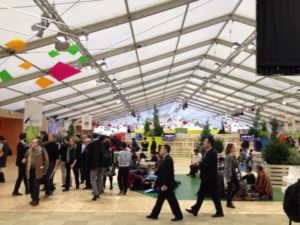
Amid all the complexities and convictions these events presented, one idea stood out as both the most hopeful, and the most pointed:
The big solutions to our global environmental problems—including deforestation and species loss—will be found not in rural areas, but in cities.
Although cities consume a growing majority of the world’s energy, they are also uniquely poised to respond effectively to climate change. Their relatively small size (compared to other governing units) means they can act quickly to design and implement new policies and pilot projects that can be replicated, scaled, and shared widely. As cultural leaders, they also establish behavioral patterns and values that others adopt. In many events and conversations in Paris, these ideas took center stage.